
Comparative Analysis: Synthetic Appetite Suppression vs. Metabolic Support

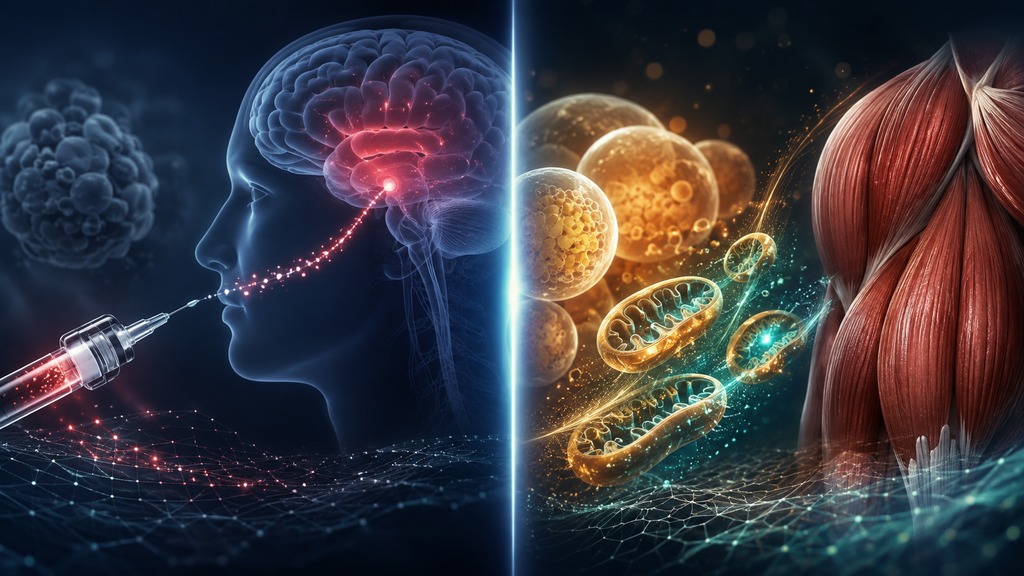
The source contrasts pharmaceutical appetite suppression with metabolic support through ketosis, framing the central question as “eat less” versus “fuel better.”
KEY TAKEAWAYS
- Synthetic suppression is presented as prioritizing reduced food intake over optimization of metabolic
function. - Metabolic support is presented as shifting the body toward mobilizing stored fat for energy.
- The source emphasizes muscle preservation and energy stability as key points of comparison.
- The concluding question asks whether the objective is appetite suppression or improved fueling.
Executive Summary
The fundamental approach to appetite control is divided into two distinct strategies: synthetic suppression and metabolic support. Synthetic suppression, primarily achieved through GLP-1 agonist medications, focuses on reducing caloric intake by chemically signaling the brain to ignore hunger. However, this approach is characterized as a state of “synthetic starvation” that carries risks of muscle loss and tissue degradation.
In contrast, metabolic support via ketosis focuses on optimizing the body’s internal energy systems. By mobilizing stored fat for fuel, ketosis provides a natural alternative that preserves muscle mass and ensures steady energy levels. The critical distinction lies in the objective: whether the goal is simply to eat less through deprivation or to fuel the body more efficiently through biological optimization.
Analysis of Synthetic Suppression (GLP-1 Drugs)
Synthetic suppression relies on pharmaceutical interventions, specifically GLP-1 drugs, to manage appetite. This method prioritizes the reduction of food intake over the optimization of metabolic function.
Mechanism of Action
• Neurological Signaling: These drugs operate by communicating directly with the brain to suppress the sensation of hunger.
• Reduced Consumption: The primary outcome is a significant reduction in the amount of food consumed due to the masking of natural hunger signals.
Consequences and Physiological Impact
• Synthetic Starvation: The source describes this state as one of deprivation, where the body is effectively starved of necessary fuel.
• Tissue and Muscle Loss: A significant side effect of synthetic suppression is the loss of muscle mass.
• Dermatological Effects: The rapid changes associated with this method can lead to a “loose skin look.”
• Fuel Deprivation: Rather than teaching the body to use energy better, this method simply prevents the body from seeking fuel.
Analysis of Metabolic Fueling (Ketosis)
Metabolic support through ketosis represents a physiological shift in how the body accesses and utilizes energy. This approach is framed as a natural alternative to pharmaceutical intervention.
Mechanism of Action
• Metabolic Switching: The body transitions from its primary reliance on external glucose to mobilizing its own stored fat for energy.
• Natural GLP-1 Production: Ketosis is described as the body’s “natural GLP-1 factory,” achieving appetite regulation without the need for external injections.
• Efficient Energy Utilization: The process focuses on super-efficient energy mobilization from internal reserves.
Consequences and Physiological Impact
• Muscle Preservation: Unlike synthetic suppression, ketosis prioritizes the maintenance of muscle tissue.
• Energy Stability: The mobilization of fat provides steady, reliable energy throughout the day, avoiding the fluctuations associated with deprivation.
• Functional Fueling: The emphasis is placed on fueling the body better rather than simply eating less.
Comparative Overview: Suppression vs. Support
The following table summarizes the stark differences between the two methodologies as outlined in the source material:
Feature Synthetic Suppression (GLP-1 Drugs) Metabolic Support (Ketosis)
Primary Goal Mask hunger/Eat less Mobilize fat/Fuel better Method Pharmaceutical injections Metabolic state shift Energy Source Deprivation (Synthetic starvation) Internal fat stores Muscle Impact Risk of muscle loss Muscle preservation Physical Side Effects Loose skin Steady, reliable energy Biological Role Synthetic signaling “Natural GLP-1 factory”
Conclusion: The Strategic Shift in Appetite Control
The evidence suggests a critical divergence in health outcomes based on the chosen method of appetite management. Synthetic suppression offers a chemical “mask” for hunger but does so at the cost of muscle integrity and through a state of fuel deprivation. Conversely, metabolic support through ketosis aligns with the body’s natural processes to preserve muscle and stabilize energy. The central inquiry for any approach to weight and appetite management remains: is the objective to simply suppress the urge to eat, or to fundamentally improve the body’s ability to fuel itself?
This PDF reproduces and reformats the supplied article content for Nutrient TV presentation. It does not add external research or independently verify the source claims.
Alan C. North
Sports Nutritionist, Nutraceutical Formulator & Nutrition Advocate
Alan C. North is a leading voice in clinical health media, specializing in the intersection of metabolic biochemistry and human performance. With over 15 years in the field, he bridges the gap between complex peer-reviewed research and actionable health broadcast journalism.